
Pasture-Raised Meat: A Mongolian Brand
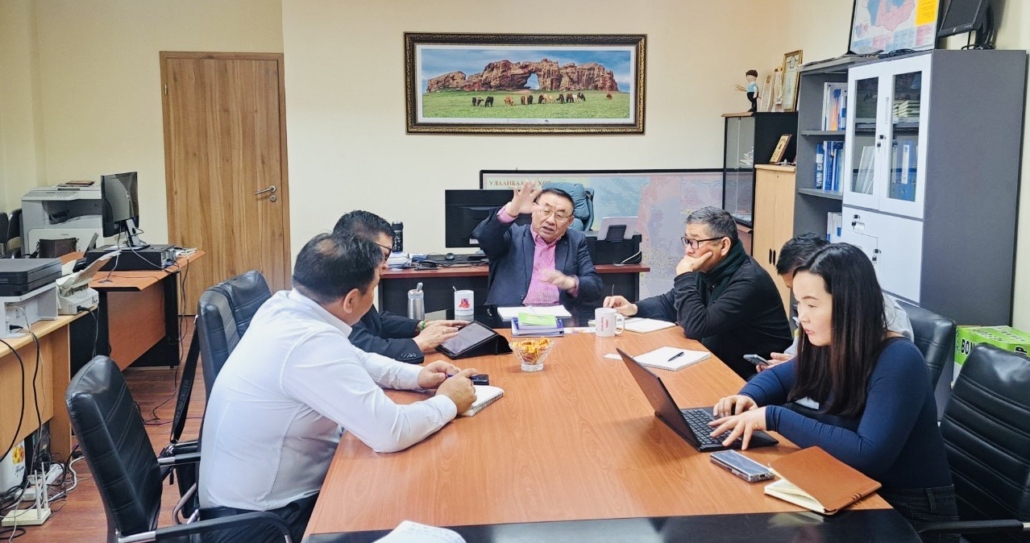
19 November 2025, representatives of the ASDIP Project Implementation Unit held a meeting with the leadership of the Mongolian Meat Association (MMA) to discuss the meat value chain, bio-secured livestock production, organizational models for meat processing in the western region, and export policy priorities. The meeting was attended by MMA Executive Director N. Batsuuri, Manager I. Battogtokh, other MMA representatives, as well as ASDIP Deputy Coordinator B. Vanchindorj and specialists M. Galbadrah, A. Altanzul, and Ts. Munkhzul. The parties exchanged insights on opportunities to increase meat production in the western aimags, existing challenges, and required policy directions.
The ASDIP team presented proposed models for cattle, horse, and small livestock fattening, as well as regional meat production arrangements under the bio-secured livestock production framework to be implemented in Uvs, Khovd, and Bayan-Ulgii aimags. The Mongolian Meat Association, in turn, provided expert assessments on fattening efficiency by livestock type, market demand, and export potential, emphasizing the strategic importance of expanding horse meat exports to Central Asian markets.
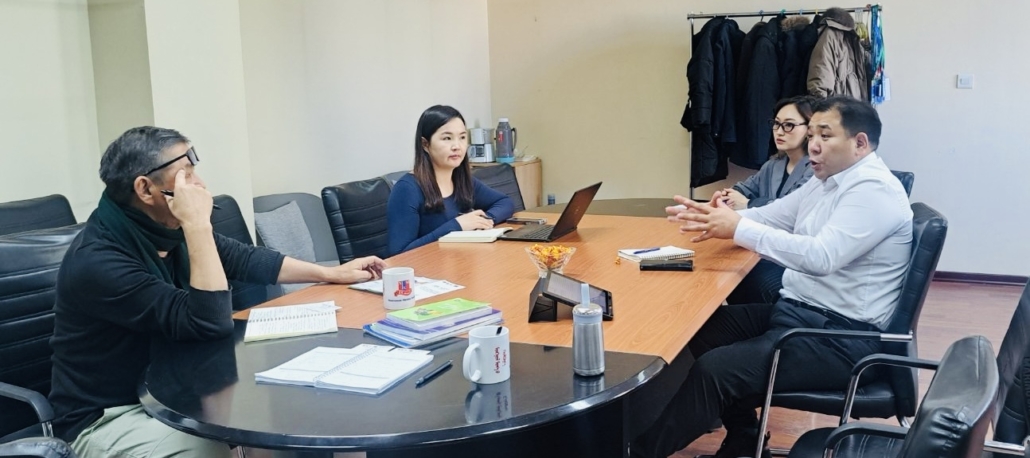
Executive Director N. Batsuuri noted that transitioning step-by-step from thermally processed meat exports toward frozen and eventually chilled meat exports is a key opportunity to increase the global market price of Mongolian meat. He emphasized that pasture-fed meat is a unique brand advantage for Mongolia. He also highlighted the need for optimal herd management—balancing breeding and market livestock, ensuring that at least 30% of the national herd enters economic circulation annually—and noted the growing need for training to strengthen herders’ financial literacy and business mindset.
The parties agreed on the importance of thoroughly mapping the meat value chain from herder households to processing plants, defining financing and marketing mechanisms, improving by-product management, and establishing effective public–private partnership models. They also underlined that developing cooperative-based business models, standards, and guidelines—as well as organizing training—will be essential foundations for successfully implementing bio-secured livestock production. At the conclusion of the meeting, both sides agreed to continue cooperation to develop a tailored meat production and export strategy, along with a bio-secured livestock production model suited to the specific conditions of the western region.

